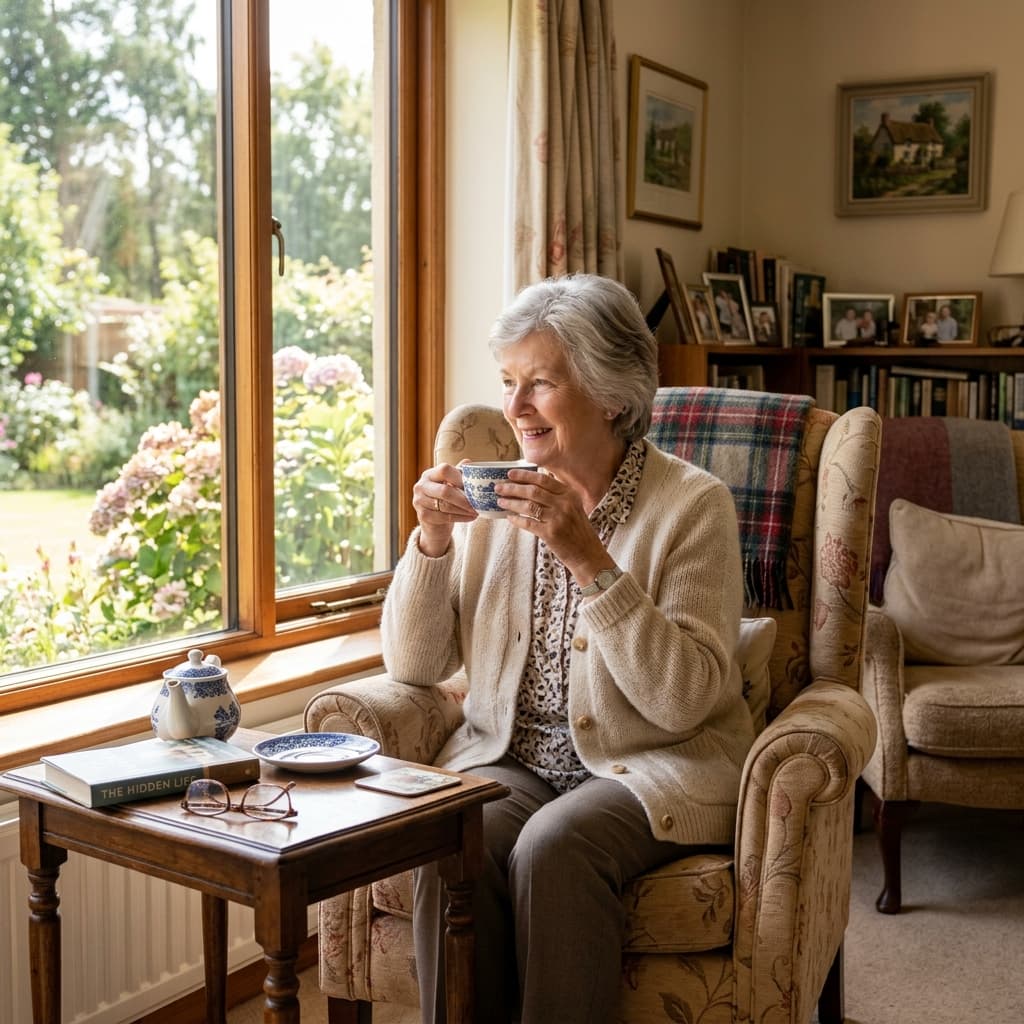
When the time comes to seek additional support for an aging loved one, families are often faced with a significant decision: should they transition to a residential care facility, or is professional home care the better option?
While both avenues provide essential support, a growing number of Canadian families are choosing home care. Here is a look at why personalized home care is increasingly becoming the preferred choice.
1. The Comfort of Familiar Surroundings
The most immediate and profound benefit of home care is that it allows seniors to age in place. The home is filled with a lifetime of memories, familiar sights, and a sense of belonging that cannot be replicated in a facility.
Remaining in their own home significantly reduces the stress and disorientation that often accompanies a move to a new, institutional environment. This is especially crucial for individuals dealing with cognitive decline or dementia, where a familiar layout provides security and aids memory.
2. Highly Personalized, One-on-One Care
In a residential facility, caregivers are responsible for multiple residents, dividing their time and attention.
Home care provides dedicated, one-on-one support. Care plans are tailored specifically to the individual’s needs, routines, and preferences. Whether it’s enjoying breakfast at a specific time, maintaining a cherished garden, or needing specialized medical attention, home care adapts to the senior's lifestyle, not the other way around.
3. Maintaining Independence
Home care empowers seniors to maintain control over their daily lives. Caregivers are there to assist, not to take over. They encourage clients to continue doing the things they can safely do themselves, fostering a sense of autonomy and dignity that is vital for emotional well-being.
4. Faster Recovery Times
For seniors recovering from surgery, illness, or a hospital stay, healing at home is often safer and faster.
- Reduced Infection Risk: Being at home reduces exposure to the various illnesses and infections that can circulate in shared residential facilities.
- Comfort and Rest: It is generally easier to get restful sleep and recuperate in the comfort of one's own bed and familiar environment.
5. Cost-Effectiveness
While the cost of care depends on the level of support required, home care is often more cost-effective than a residential facility, especially for those who only need part-time assistance.
With home care, families only pay for the services they actually need, whether that's a few hours of companionship a week, daily personal care, or 24/7 support.
6. Keeping Families Connected
Facility visiting hours and regulations can sometimes limit family interactions. Home care keeps the family unit central to the care process. Family members can visit whenever they choose, participate in care planning, and enjoy quality time without the constraints of an institutional setting.
7. Companionship and Emotional Support
Loneliness is a significant health risk for seniors. Professional caregivers do more than just manage physical needs; they provide vital social interaction and companionship. From sharing a cup of tea and a conversation to accompanying them on walks or to appointments, this social engagement is crucial for mental and emotional health.
Making the Right Choice
Choosing the right care path is deeply personal. While facilities are the right choice for some, professional home care offers a compelling alternative for those who wish to maintain their independence, stay connected to their community, and enjoy their golden years in the comfort of the place they call home.